

Countries that let you buy citizenship or a golden visa with crypto
Nations now opening doors to Bitcoin and stablecoin investors worldwide
DUBAI – The rise of cryptocurrency has changed more than just finance. By mid-2025, digital assets are shaping how global investors move across borders, with a handful of nations opening their migration doors to Bitcoin and stablecoin holders. What was once the preserve of high-net-worth individuals with fiat wealth is now available to crypto millionaires looking for second passports or long-term residency.
In practice, most governments still want traditional currency. Yet licensed agents and regulated funds are creating a bridge: they take Bitcoin, Ethereum or Tether from applicants, convert it to fiat and then submit the funds to official migration schemes. This arrangement has allowed crypto investors to channel their digital wealth into government-approved pathways, from Caribbean islands to Europe.
Here are five countries currently letting crypto play a direct or indirect role in their golden visa and citizenship schemes.
Vanuatu
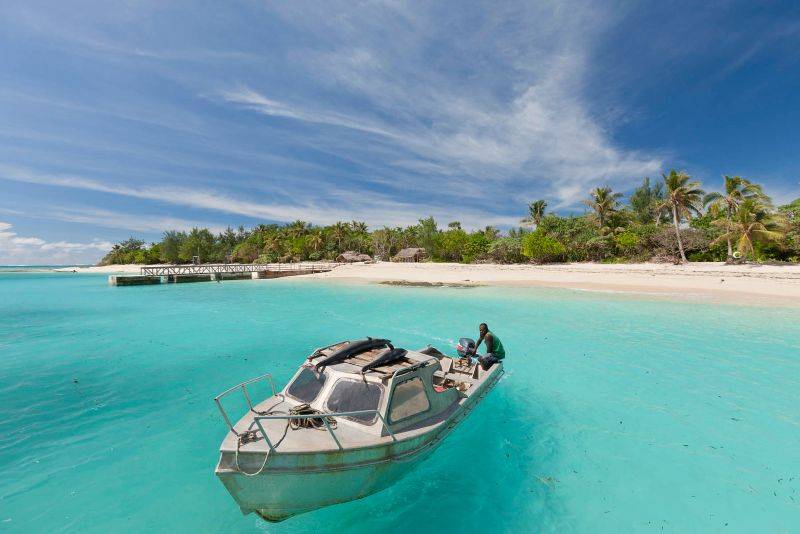
Vanuatu offers one of the fastest second passports available. Under its Development Support Programme, applicants donate around US$130,000 for a single person, or US$180,000 for a family of four, to gain citizenship within 30 to 60 days. The government itself does not take Bitcoin, but licensed agents are authorised to accept cryptocurrencies such as BTC and USDT, convert them into dollars and complete the process.
Applicants need not travel to Vanuatu, dual nationality is permitted, and the passport allows visa-free travel to over 90 countries. The scheme appeals to crypto entrepreneurs thanks to no personal income, capital gains or inheritance taxes.
Dominica

Dominica’s citizenship by investment programme requires either a US$200,000 donation to the Economic Diversification Fund or at least US$200,000 invested in government-approved real estate.
Licensed agents can accept cryptocurrencies on behalf of applicants, converting them to fiat before submitting funds to the government. Applications are typically processed within six to nine months. The passport offers access to over 140 destinations, including the EU Schengen area, the UK and Singapore. Families can be included under one application, covering spouses, dependent children and parents.
Saint Lucia
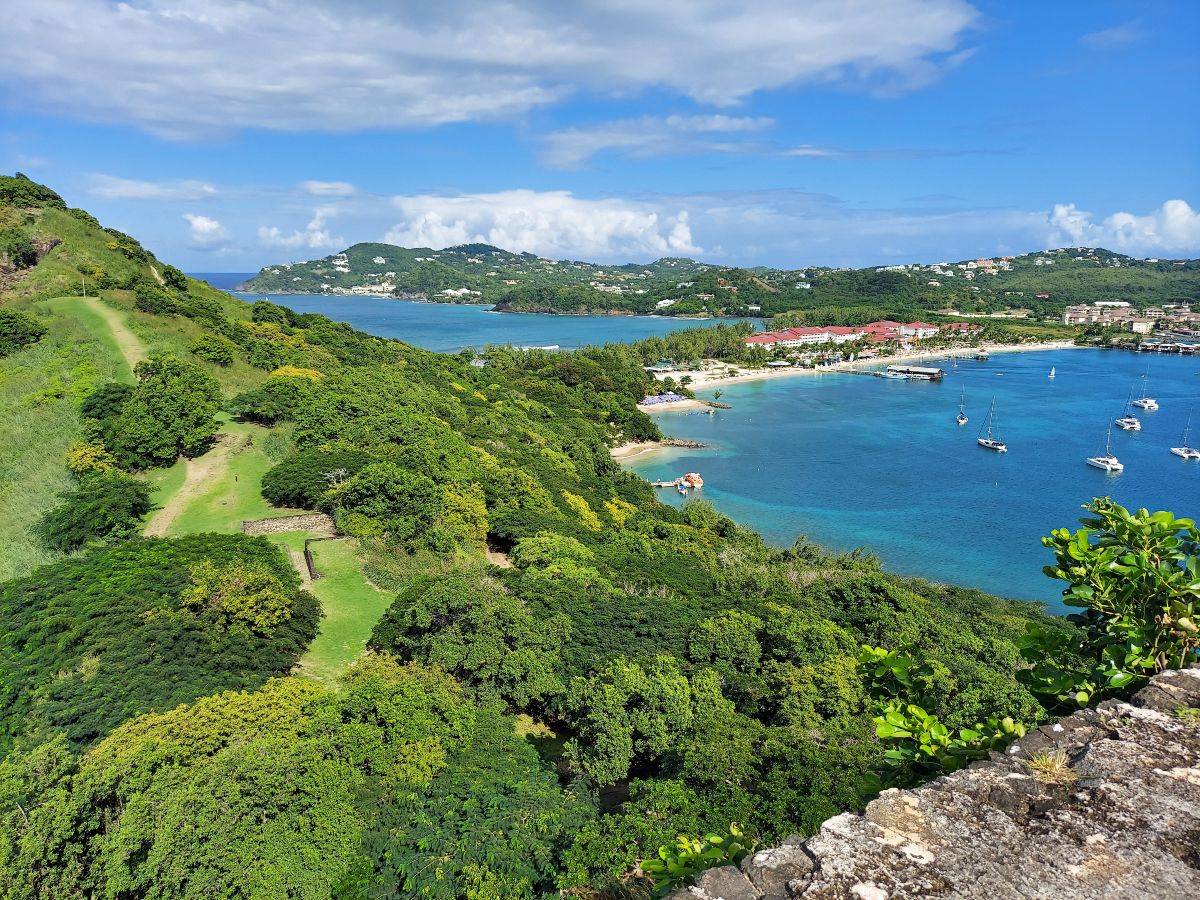
Saint Lucia offers flexible options, including a US$240,000 donation to the National Economic Fund or a US$300,000 investment in real estate. As with Dominica, licensed intermediaries accept cryptocurrencies, later converting them into dollars for the government contribution. Processing can take around nine months, with extensive due diligence applied. The Saint Lucian passport also grants visa-free entry to more than 140 countries. Its programme is considered one of the more affordable and versatile for families seeking second nationality through crypto-backed wealth.
Portugal
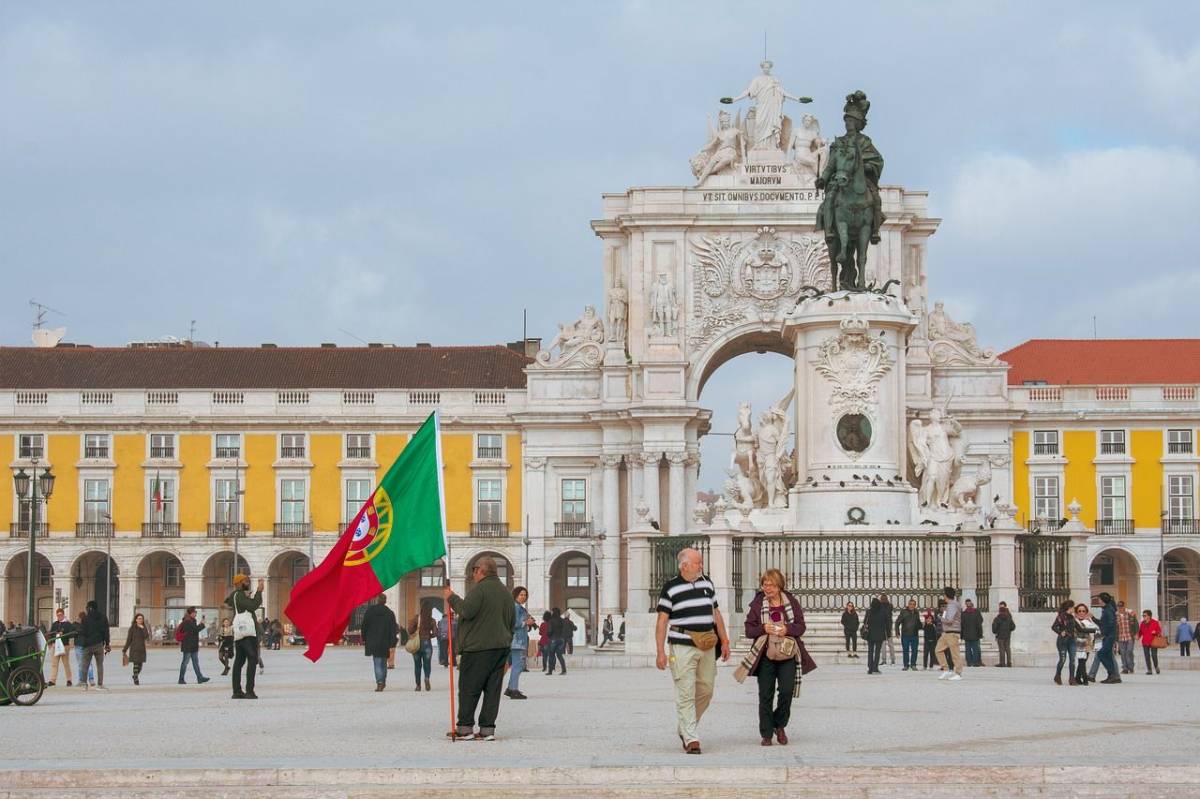
Portugal’s Golden Visa continues to be a gateway into the European Union, but with a shift in focus. Since 2023, the programme has moved away from real estate, instead requiring a €500,000 investment into approved funds or projects. Several funds now provide exposure to blockchain ventures or mixed portfolios that include Bitcoin ETFs. Applicants convert their crypto holdings into fiat to make the investment, but the structures are designed with digital asset investors in mind. Residency requires minimal time in the country – just a week in the first year – and can lead to citizenship after five years, though proposed legislation may extend this to ten. Portugal also remains favourable on taxation, with individual long-term crypto gains exempt.
El Salvador

El Salvador stands out as the world’s first country to run a fully crypto-native visa programme. Its Freedom Visa, launched in late 2023 with Tether, demands a US$1 million investment entirely in Bitcoin or USDT. Applicants first pay a US$999 deposit in crypto, then the remaining balance once approved. Only 1,000 investors a year can join, and families are covered under a single application. The process is fast, with initial approvals in around six weeks and accelerated citizenship soon afterwards. Investments are channelled into national priorities including infrastructure and technology. For crypto holders, this scheme represents the most direct way to purchase nationality with digital assets alone.
What about UAE?
By contrast, the United Arab Emirates has been clear that cryptocurrencies do not qualify for its Golden Visa. Despite its reputation as a global crypto hub, UAE authorities emphasise that only traditional investment categories – real estate, entrepreneurship, specialist talent – are valid. Investors cannot gain residency or citizenship by simply holding or investing in Bitcoin.
These cases show how digital assets are reshaping parts of the global migration market. From Caribbean islands to Europe and Central America, crypto wealth is no longer confined to exchanges and wallets but is being channelled into passports and residency rights for those able to meet the required thresholds..